If your North Georgia home has a septic system, regular septic tank pumping is one of the most important things you can do to protect it. Unfortunately, because the tank is underground and out of sight, it can be easy to forget about it until something goes wrong.
So, how often should you have your septic tank pumped?
For many households, septic tank pumping is generally recommended every three to five years. However, there isn’t one schedule that’s right for every home. The EPA notes that pumping frequency depends on factors such as household size, the amount of wastewater generated, the volume of solids entering the system, and the size of the septic tank.
What Determines How Often Your Septic Tank Needs Pumping?
A home with two occupants may place significantly less demand on a septic system than a home with six people. Your daily habits can make a difference as well.
Factors that may affect your pumping schedule include:
- Number of people living in the home
- Size of the septic tank
- Amount of water used each day
- Laundry and dishwasher usage
- Use of a garbage disposal
- Amount of solids entering the tank
- Age and condition of the septic system
- Previous septic maintenance
Instead of waiting until you experience a problem, establishing a regular septic tank maintenance schedule can help you stay ahead of potential issues.
Signs Your Septic Tank May Need Pumping
Your septic system may give you warning signs when something isn’t right. Don’t ignore symptoms such as:
- Slow-draining sinks, tubs, or showers
- Toilets that flush slowly
- Gurgling sounds from plumbing
- Unpleasant sewage odors
- Standing water around the septic tank or drain field
- Unusually green or spongy grass over the system
- Wastewater backing up into the home
These symptoms don’t always mean the tank simply needs pumping, but they are good reasons to have the system professionally evaluated.
Why Regular Septic Pumping Matters
Wastewater entering your septic tank naturally separates into different layers. Over time, solids accumulate inside the tank. If those solids aren’t removed, they can eventually interfere with the system and potentially reach the drain field.
Routine pumping removes accumulated material before it creates bigger problems.
Preventative septic maintenance can also help protect your property and reduce the likelihood of an unexpected septic emergency.
Don’t Wait for a Septic Backup
One of the biggest mistakes homeowners make is waiting until something backs up before calling a septic company.
A septic backup can quickly turn into an unpleasant and potentially expensive situation. Preventative pumping gives you an opportunity to service the system before reaching that point.
If you recently purchased a home and don’t know when the septic tank was last pumped, having the system checked is a smart place to start.
Septic Tank Pumping in Cleveland, GA & North Georgia
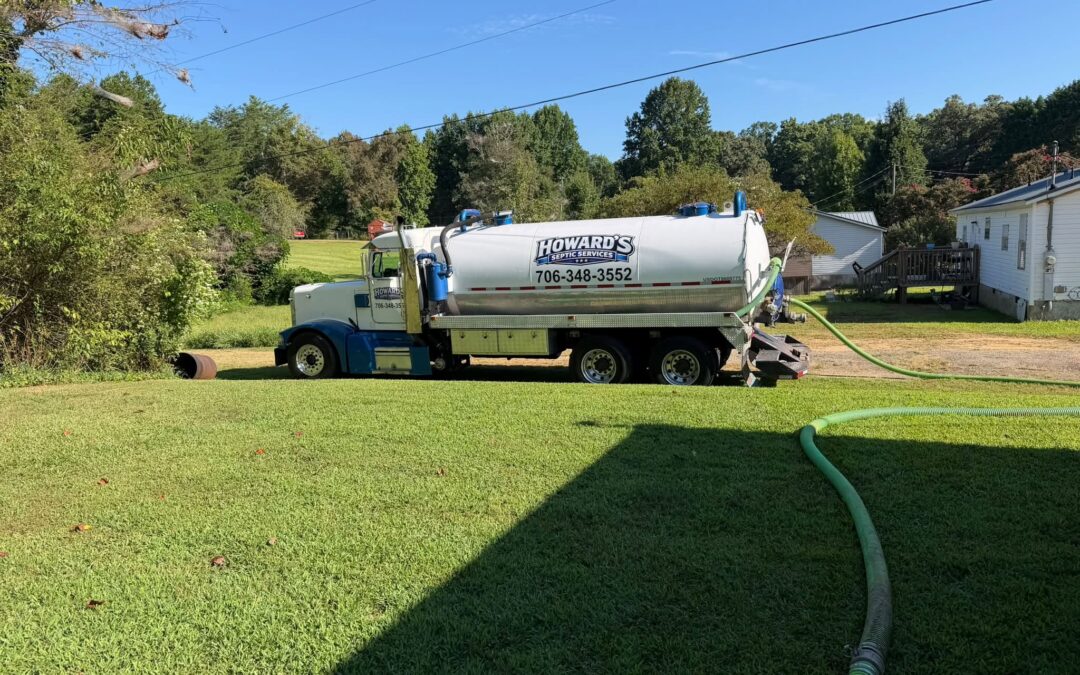
Howard’s Septic Services provides dependable septic tank pumping in Cleveland, GA and throughout North Georgia. Whether you’re due for routine maintenance or you’re noticing signs that your septic system needs attention, our team can help.
We provide professional residential and commercial septic services with straightforward recommendations and dependable service.
Don’t wait for a backup to remind you about your septic tank. Contact Howard’s Septic Services today to schedule septic pumping or maintenance in North Georgia.